

Innovation
I am, alas, sufficiently âgé to remember the merchants who did not believe in e-commerce, or the advertising networks that refused to include digital advertising in their media plans, or again the television and film industry snubbing streaming, the gaming industry belittling mobile videogames, and so on.
We all know dozens of examples of trains (=trends) missed by companies.
I have often wondered why many companies fail to exploit some of the megatrends that to me seemed obvious, only to then chase breathlessly after the enlightened first movers. And it still happens today: by way of example, here are some cross-industry megatrends, consolidated for a few years now, which in my view are still inexplicably underestimated, when not completely ignored:
Artificial Intelligence
Big Data
Blockchain and transparency
Cyber Security
Open Innovation
Privacy, as ownership and portability of data
Sustainability
User Experience
By now every company has come to terms with digital (“every company is a digital company”), so what still keeps them from understanding that the only possible answer to stop missing the passing trends is: to innovate?
A continuous process of Open Innovation
Innovation is not something you can do in fits and starts, perhaps only when you notice you have fallen behind. Either you equip yourself in a serious, constant way, or you play (if you’re lucky) the follower. All the trends listed above contain in turn sub-trends to keep watch over, with more or less vigour depending on your mission, but regardless of your industry. And companies that are not pure digital should do so even more.
The startup studio model, like Startup Bakery’s, was born precisely to allow companies to equip themselves; they stimulate, support and finally acquire solid startups, carrying inside them technology, talent and innovative procedures. The difference from a research centre, far from market logic, or from a company division, compressed by internal procedures and biases, is sharp: the startup studio allows the partner company to stay focused on its core business, delegating the generation of innovation to the outside and internalising it, in an Open Innovation logic, only if it meets the agreed standards.
But among all the trends in my list, there is one I find particularly ineluctable: Sustainability. It is perhaps also the broadest trend and, precisely for this reason, when talking about the other trends, you cannot do so while disregarding it.
Sustainability: protagonist of 2021?
The concept of Sustainability has by now gone mainstream. The trend, already under way globally between 2017 and 2018, and landing in Italy at more or less the same time, used 2019 to consolidate and the strange 2020 to take off, finally putting itself forward as a potential “protagonist” of 2021.
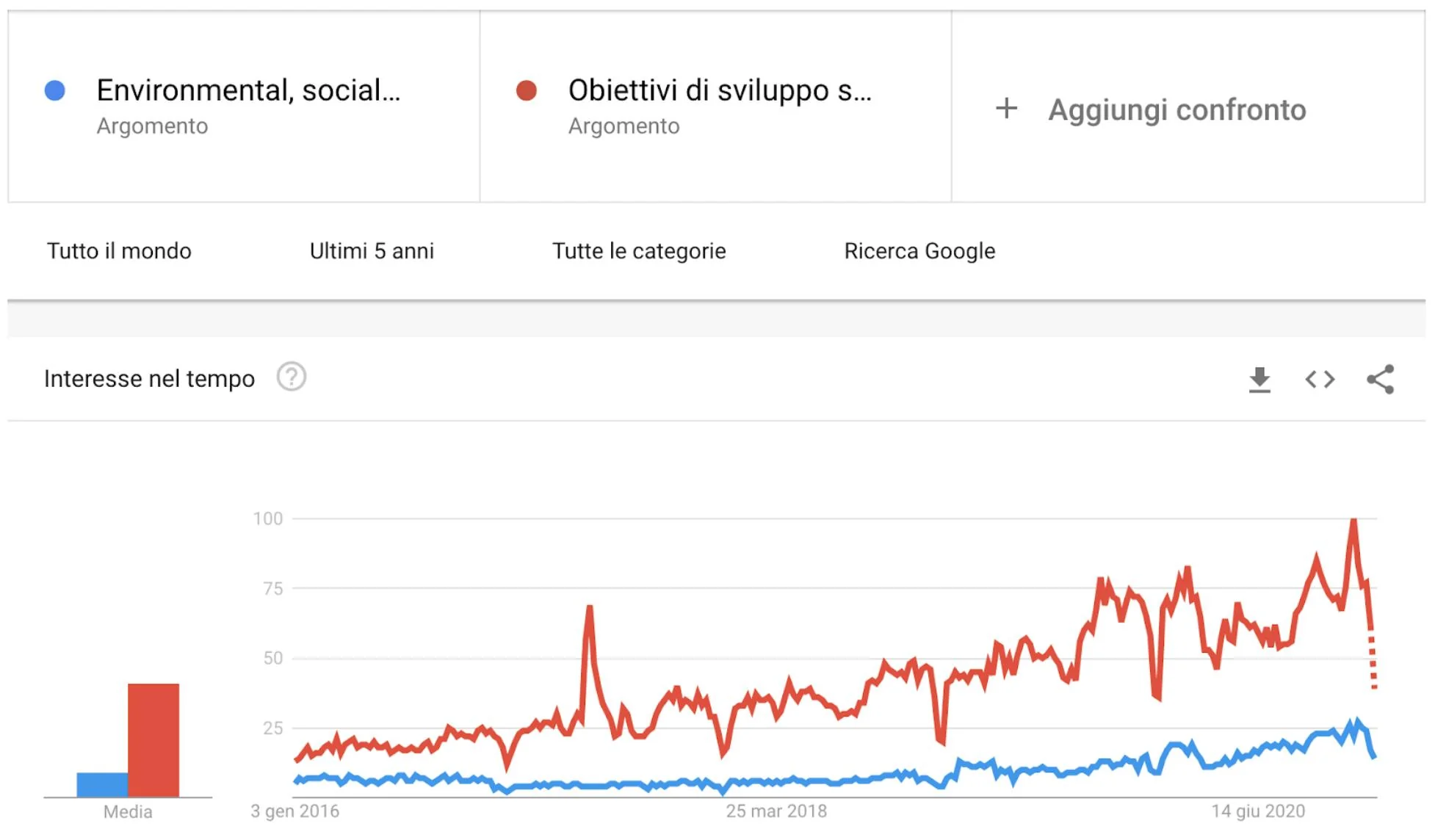
Source: Google Trends
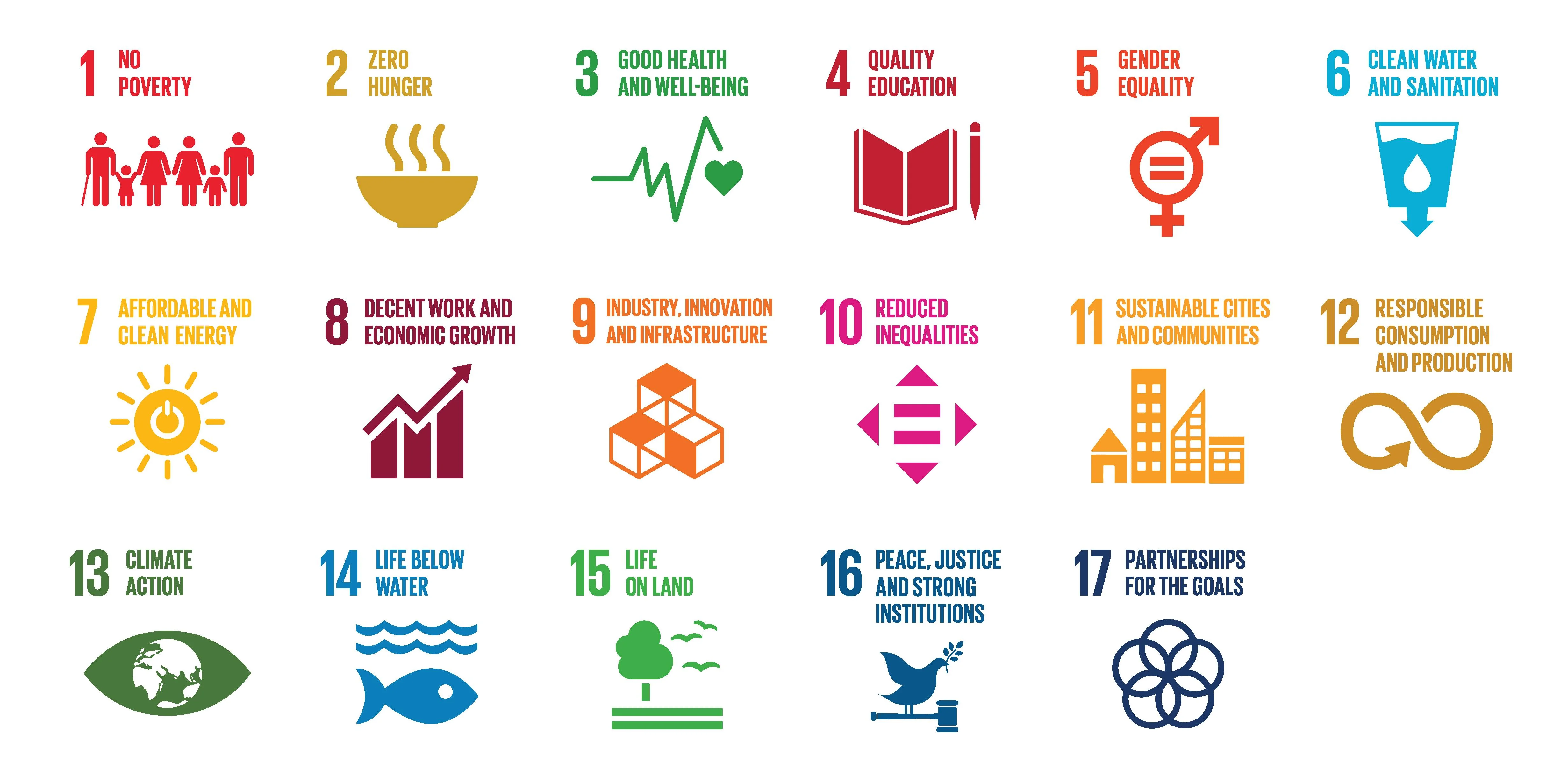
Companies, then, all of them, from startups to the large listed groups, will have to reckon with ESG (Environmental, Social & Governance) themes and with the SDGs (Sustainable Development Goals). There is a lot to do, so it is normal for many companies to struggle to “convert” using traditional logic and approaches. Very often, being sustainable means, for a company, generating lower, if not outright negative, returns in the short term, but these are ineluctable investments that sooner or later everyone will have to make, on pain of exclusion from the market.
Here too, then, I do not see how one can become more sustainable other than by innovating: processes, technologies, skills and so on must be tested, possibly the lean way, before being applied, and only afterwards introduced. Companies will become more sustainable, then, if they manage to test on their stakeholders (current or potential) the sustainable solutions and practices they intend to implement. And there, I have quickly tied Sustainability to User Experience as well. But as I said, I could just as easily tie it to any of the other trends mentioned.
Sustainable Open Innovation
Innovating also means making mistakes, but making them fast and learning from them. For a company, outsourcing the innovation process to a startup studio thus also means outsourcing the possible mistakes, reducing risk and the related pressures. It also means having an always-on observatory of the world of Innovation and, finally, being able to choose which trend to internalise, reducing acquisition costs and drastically cutting integration costs, so often underestimated.
All the startups spun up in Startup Bakery contain elements of sustainability and are therefore tied to at least one of the SDGs. This way, we intend to bring Sustainable Innovation into our entrepreneurial fabric.
The wish I feel like making, above all for the Italian system, is that the keywords tied to “Innovation” follow the same path taken by the keywords related to “Sustainability”. Because neither will exist without the other.